SURFACE PREPARATION
Prepare surfaces properly with the right wipe for the task
Harrisons helps you select surface preparation wipes that support cleaner working, reduce contamination risk and help achieve a more reliable finish.
THE RIGHT WIPE
Why surface preparation matters
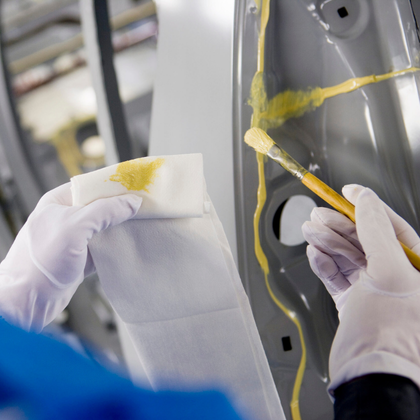
A clean, well-prepared surface is essential for a consistent, high-quality finish. Dust, grease, residue and contamination left on a surface don't disappear under paint or coating, they cause poor adhesion, visible defects and costly rework.
Harrisons helps teams choose the right wipe for the surface and the finish standard required.

Finish quality
The right wipe leaves surfaces clean, particle-free and ready for a consistent, defect-free finish first time.

Surface protection
Soft, suitable materials clean and polish effectively without scratching delicate surfaces.

Process efficiency
Using the right wipe can cut down rework, repeat cleaning and unnecessary downtime.
Contamination control
Low-lint wipes and tack cloths ensure dust and residue are fully removed before coating is applied, not trapped underneath it.
OUR APPROACH
How we help you prepare surfaces properly

RECOMMENDED PRODUCTS
Get on top of surface prep with Harrisons
Industrial wipes engineered for demanding environments, supported by reliable UK supply and practical product expertise.
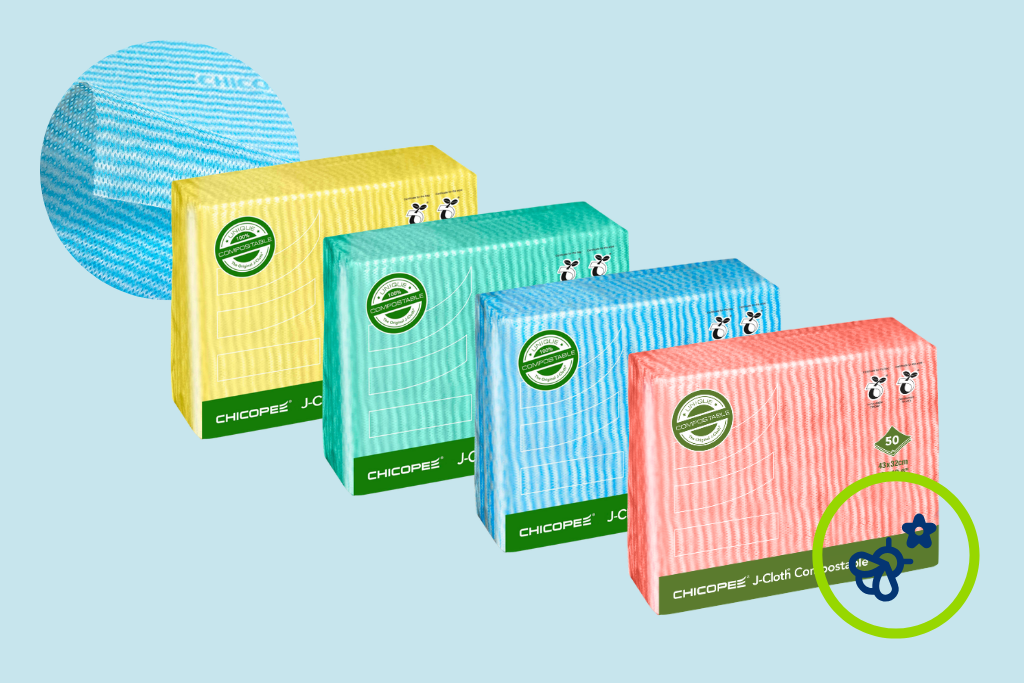
General Purpose
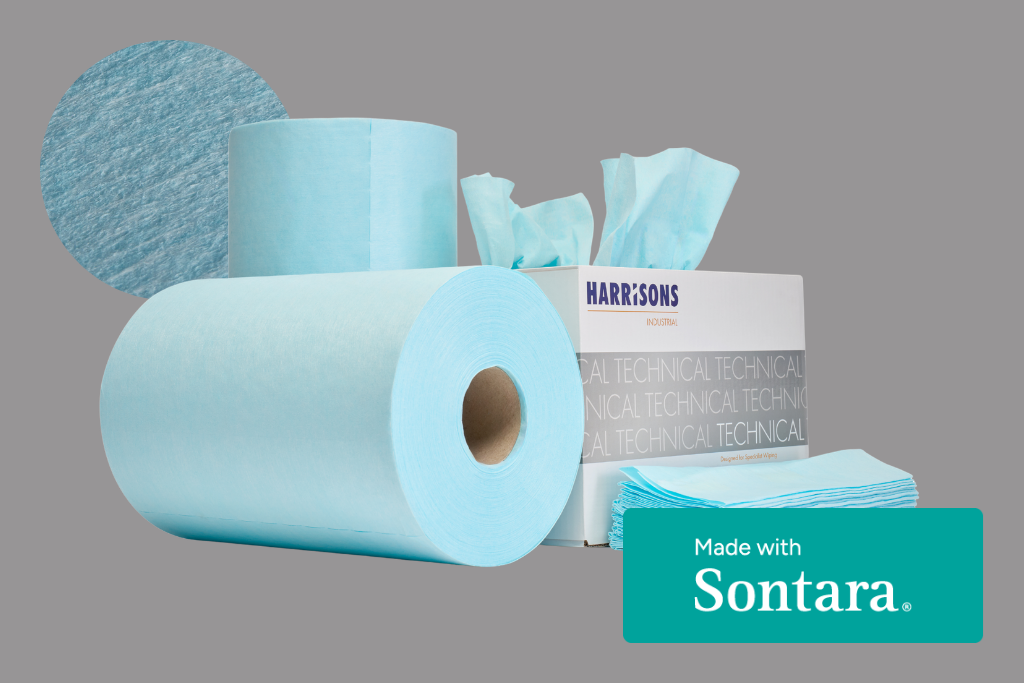
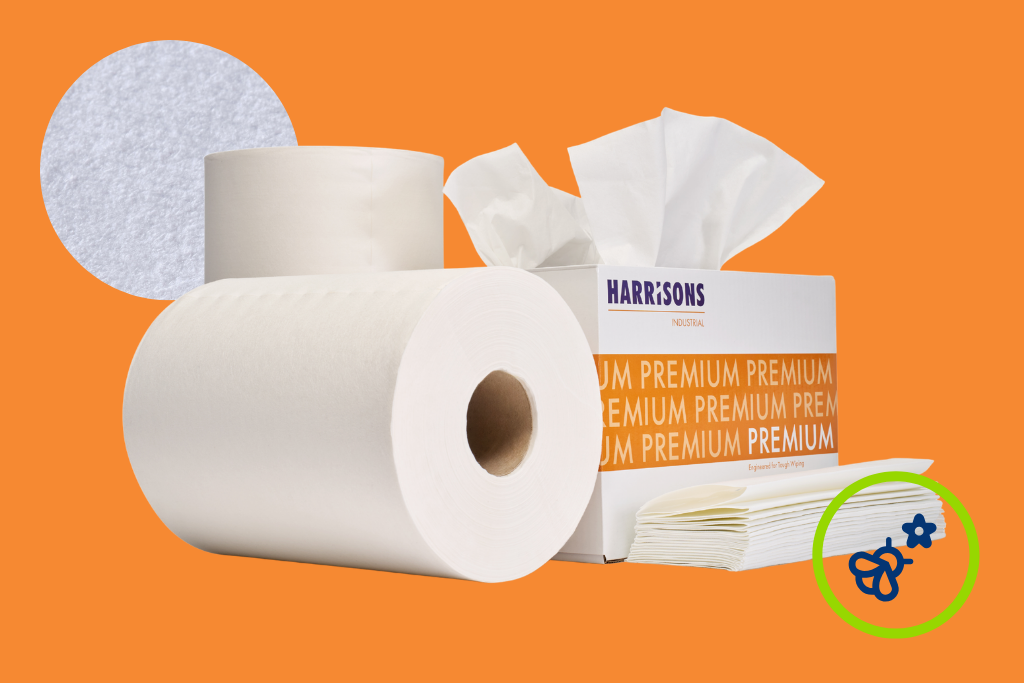
Versatile wipes suitable for everyday surface preparation, cleaning and maintenance tasks where reliability, absorbency and value matter.

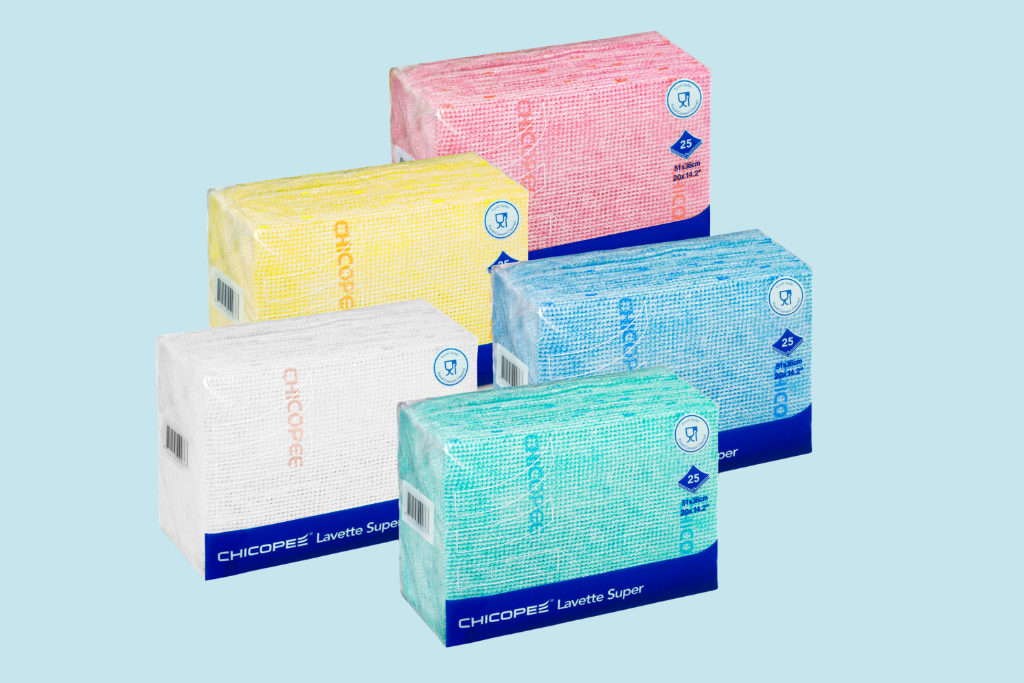
Microfibres
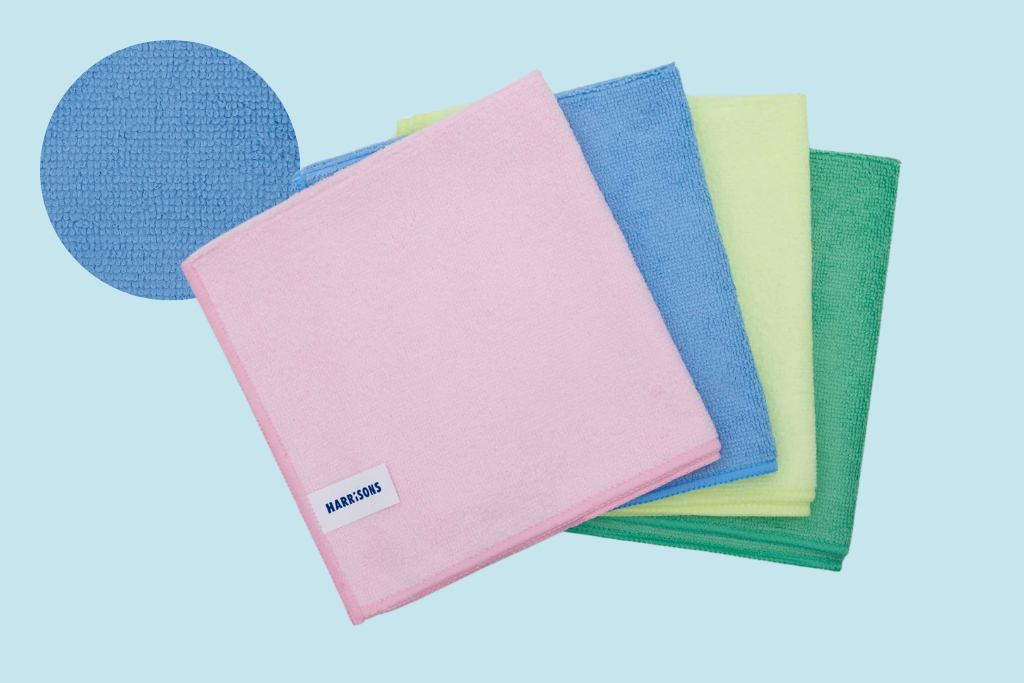
Designed to capture dust, dirt and fine particles effectively, helping support cleaner surfaces and improved contamination control.


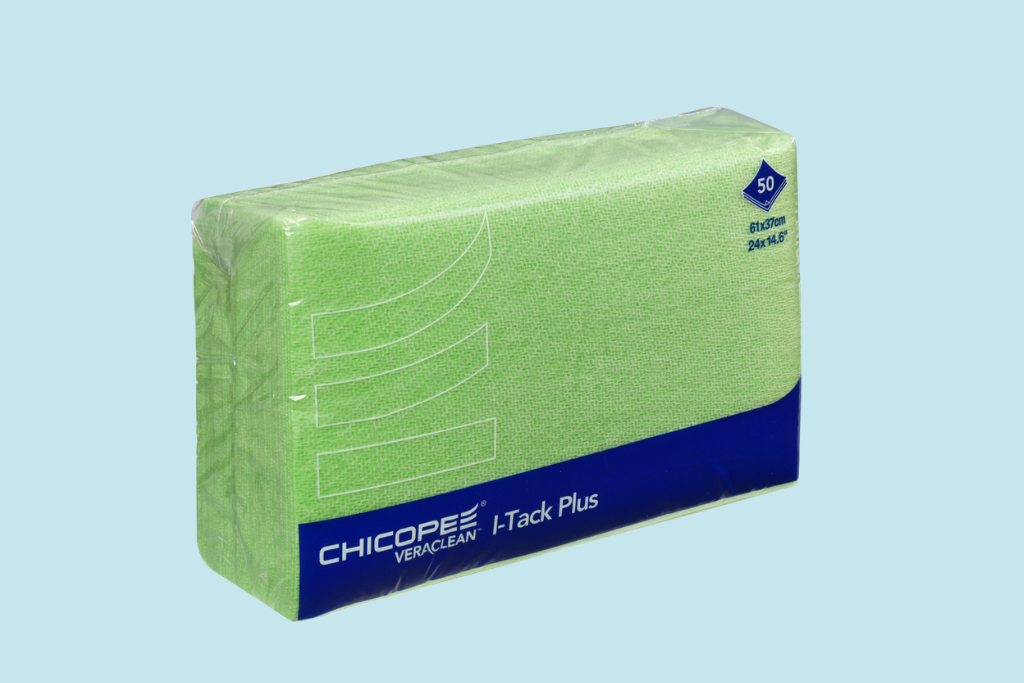
Tack Cloths
Specialist wipes developed to remove dust, fibres and surface contaminants before painting, coating and finishing processes.


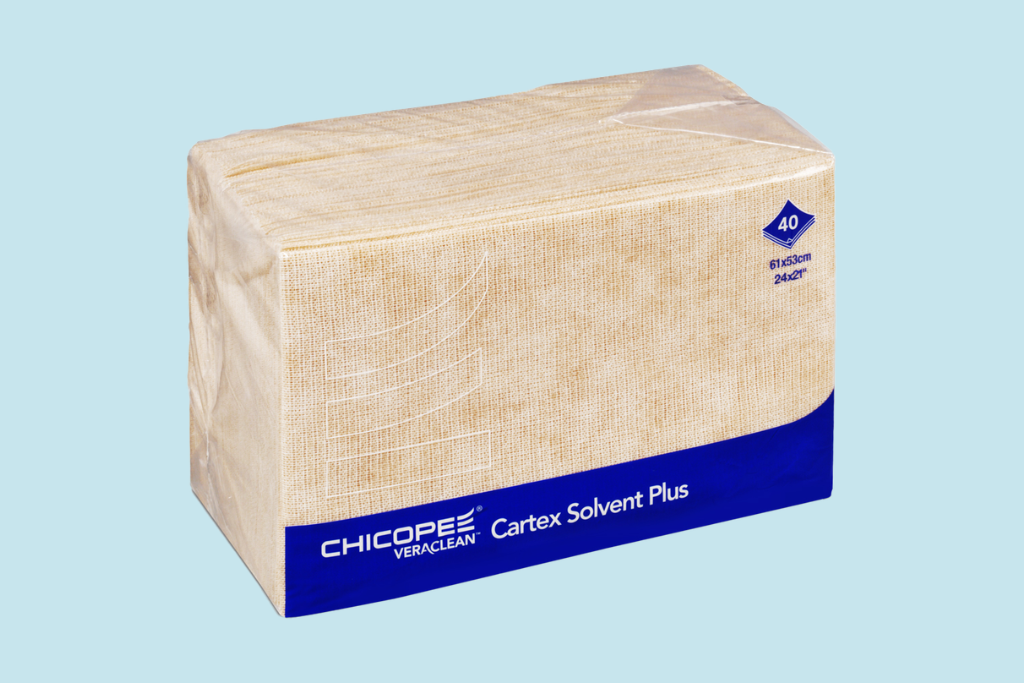
Solvent Wiping
Low-lint wipes engineered for use with solvents, helping achieve cleaner surfaces and more consistent preparation before finishing.
RESULTS
Helping a driving surface prep specialist cut costs
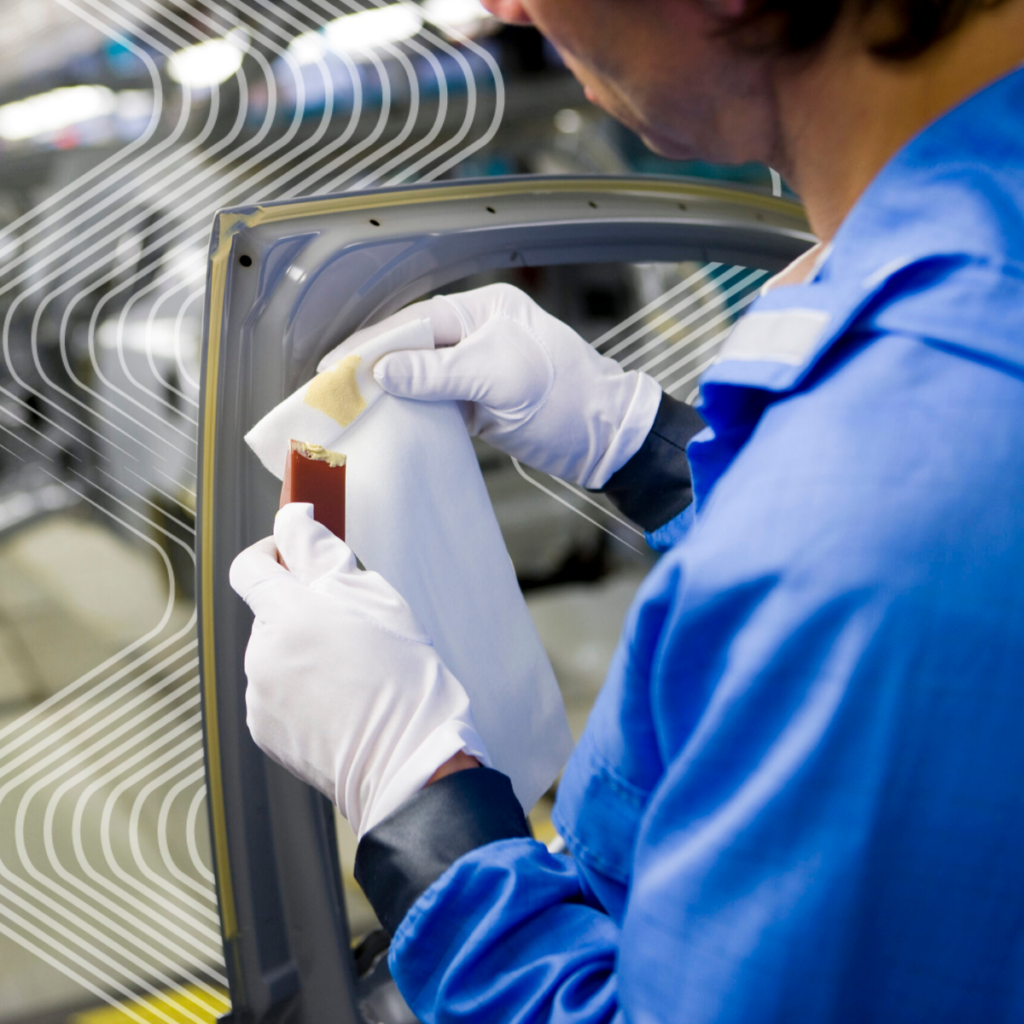
When a driving surface preparation specialist approached one of our distributors to reduce costs, we were introduced to the end user to explore a solution.
The business needed a versatile wipe suitable for use across their factory, with performance comparable to their previous product. We conducted testing to match the wipe’s properties and provided an alternative that met their needs.
Working alongside the distributor, we also developed a tailored delivery system to accommodate the customer’s limited storage space – ensuring they never ran short on supply.
In the end, the customer secured the cost savings they wanted, without compromising on quality.
REQUEST PRODUCT SAMPLES
Test surface preparation wipes where you work
Request product samples matched to your surface, process and finish requirements. See how Harrisons can help you choose the right wipe for the task.
Request Product Samples
LEARN MORE
Frequently Asked Questions
Surface preparation wipes clean and degrease surfaces before painting, coating, bonding or finishing. Their job is to eliminate dust, oils and residues that would otherwise compromise adhesion, appearance or finish quality – the kind of contamination that only shows up after the paint goes on.
Because fibres you can’t see still cause defects you can. Low-lint wipes minimise the risk of particles being deposited back onto the surface during cleaning, a critical consideration in automotive, aerospace and precision engineering, where a single fibre trapped under a coating can mean a failed inspection, a rejected panel or a costly respray. If your process demands a clean finish, your wipe needs to match that standard.
For dry or water-based cleaning, yes. Microfibre is highly absorbent, low-linting and excellent at lifting fine dust and particles rather than just redistributing them. This makes it well suited to polishing, dry dust removal and preparing sensitive surfaces before finishing.
However, microfibre is not recommended for solvent-based cleaning. Aggressive solvents can degrade the fibres, causing the cloth to break down and potentially deposit contamination onto the surface. For solvent-based prep, a non-woven polyester or cellulose/polyester blend wipe is the correct choice.
Surface preparation wipes are used across automotive, aerospace, manufacturing, facilities management and engineering environments. Common applications include paint prep, polishing, coating preparation, precision cleaning and contamination control.
Significantly. Low-quality or mismatched wipes leave lint, streaking or residue that gets trapped under coatings – resulting in defects, rejections and costly resprays. Choosing the right wipe for the surface and process reduces those failure points at source, before they become production problems
Automotive bodyshops, aerospace manufacturers, precision engineers, MROs and fabricators all rely on surface preparation wipes as a standard part of their finishing process. Common applications include paint prep, coating preparation, degreasing, polishing and contamination control before inspection or final finish. If your work involves a surface that needs to be clean before something is applied to it, there’s a wipe built for that job. A tack cloth is a lightly treated cloth designed to pick up fine dust, loose particles and surface debris before painting, coating or finishing. It is typically used after sanding, cleaning or wiping down a surface, just before the final finish is applied.
Tack cloths help remove small particles that ordinary wiping can leave behind. This reduces the risk of visible defects, poor finish quality or contamination being trapped under paint, lacquer or coating.
A tack cloth is a lightly treated cloth designed to pick up fine dust, loose particles and surface debris before painting, coating or finishing. It is typically used after sanding, cleaning or wiping down a surface, just before the final finish is applied.
Tack cloths help remove small particles that ordinary wiping can leave behind. This reduces the risk of visible defects, poor finish quality or contamination being trapped under paint, lacquer or coating.
Yes, and if you’re considering a switch, we’d strongly recommend it. Our trials let you evaluate performance in your own facility, on your own surfaces, against your own quality standards – before you commit to anything. If the product isn’t right for your process, you’ll know before it matters.
REQUEST PRODUCT SAMPLES
Test surface preparation wipes where you work
Request product samples matched to your surface, process and finish requirements. See how Harrisons can help you choose the right wipe for the task.